Rising Foreclosure Rates in 2026: What It Means for Corporations, Creditors, and Lenders
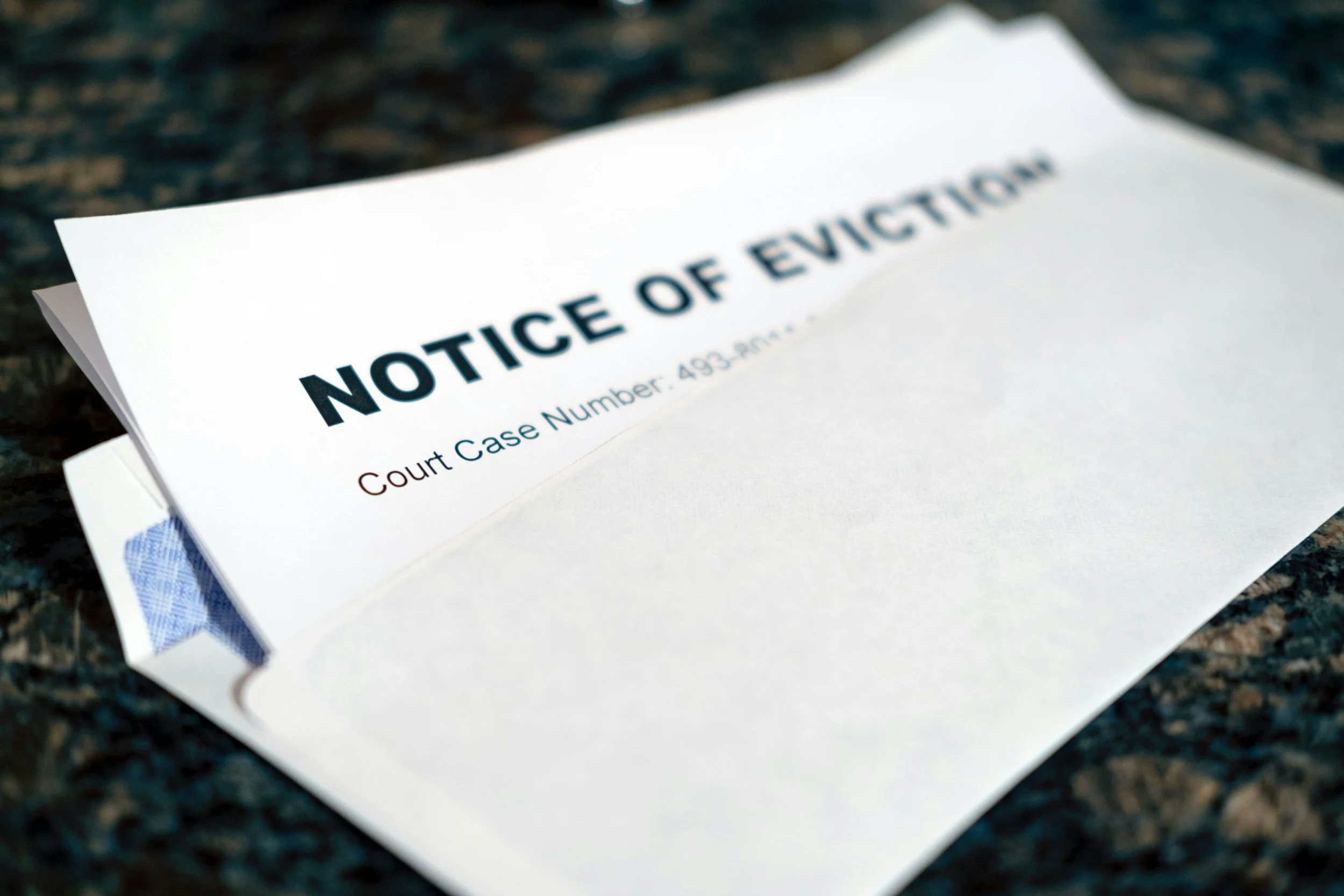
The U.S. real estate market is entering a new phase in 2026—one marked by a steady rise in foreclosure activity. While the numbers remain far below the levels seen during the 2008 financial crisis, the trend is unmistakable: foreclosures are increasing nationwide, and businesses operating in real estate, lending, and finance need to pay close attention.
For corporations, creditors, and lenders, this shift presents both risk and opportunity—but only if it’s navigated strategically.
A Market in Transition: The Data Behind the Trend
Recent data shows that foreclosure activity has been rising year-over-year for more than a year. In January 2026 alone:
Over 40,500 properties had foreclosure filings nationwide
Filings increased 32% compared to January 2025
Foreclosure starts rose 26% year-over-year
Completed foreclosures jumped nearly 59% annually
This marks the 11th consecutive month of annual increases, continuing into early 2026.
Despite these increases, foreclosure levels remain below historic peaks, signaling what many experts call a “market normalization” rather than a collapse.
What’s Driving the Increase?
Several economic pressures are contributing to the rise in foreclosures:
Higher interest rates increasing borrowing costs
Rising property taxes and insurance premiums
Inflation and cost-of-living pressures
Softening housing demand in certain regions
Increased delinquencies, especially among government-backed loans
These factors are creating stress in specific segments of the market—particularly among newer buyers and highly leveraged property owners.
What This Means for Corporations
For corporations—especially those with real estate holdings or development portfolios—rising foreclosure rates can signal both caution and opportunity.
Key implications include:
Asset Devaluation Risks: Increased foreclosure inventory can put downward pressure on property values in certain markets.
Acquisition Opportunities: Distressed assets may become available at discounted prices, particularly in high-foreclosure states like Florida, Nevada, and Delaware .
Operational Risk Exposure: Businesses leasing or owning multiple properties may face increased tenant defaults or declining occupancy.
Corporations that proactively assess their portfolios and monitor regional foreclosure trends will be better positioned to adapt.
What This Means for Creditors
For creditors, the rise in foreclosure activity directly impacts recovery strategies and risk management.
Key considerations include:
Increased Default Volume: More borrowers entering default means a higher volume of claims and proceedings to manage.
Heightened Need for Enforcement: Creditors must act quickly and strategically to protect their interests through filings, claims, and motions.
Complex Proceedings: As foreclosure activity rises, so does the likelihood of contested cases, bankruptcies, and adversary proceedings.
This environment requires creditors to be proactive, organized, and legally prepared to maximize recovery.
What This Means for Lenders
Lenders are at the center of this shift and face a dual challenge: mitigating losses while navigating regulatory and legal complexities.
Key impacts include:
More Foreclosure Filings and REO Properties: Lenders are increasingly managing repossessions and distressed assets.
Regulatory Scrutiny: Foreclosure processes—especially in judicial states—require strict compliance and documentation.
Longer Timelines in Certain States: Judicial foreclosure states can significantly delay recovery and asset liquidation.
At the same time, lenders who act strategically can minimize losses and improve outcomes through efficient legal processes and structured resolutions.
The Growing Intersection of Foreclosure and Bankruptcy
As foreclosure rates rise, so does the overlap with bankruptcy filings. Many distressed property owners turn to bankruptcy to delay or restructure obligations.
This creates additional legal complexity involving:
Motions for relief from stay
Proofs of claim
Plan objections
Adversary proceedings
For creditors and lenders, navigating this intersection effectively is critical to protecting financial interests.
Why Legal Strategy Matters More Than Ever
Rising foreclosure activity is not just a market trend—it’s a legal landscape shift. Whether you are a corporation managing assets, a creditor pursuing recovery, or a lender handling defaults, the need for experienced legal counsel is more important than ever.
At Lamun Mock Cunnyngham & Davis, P.C., our attorneys bring decades of experience handling complex real estate, foreclosure, and bankruptcy matters. We represent both creditors and debtors, giving us a comprehensive understanding of every angle in these proceedings.
We assist clients with:
Foreclosure-related litigation and enforcement
Bankruptcy proceedings (Chapter 7, 11, and 13)
Motions for relief from stay and proofs of claim
Adversary proceedings and dispute resolution
Strategic recovery and risk mitigation
Take a Proactive Approach
The current rise in foreclosure rates is not a crisis—but it is a signal. Businesses that act early, plan strategically, and engage experienced legal counsel will be best positioned to protect their interests and capitalize on opportunities.
Contact Lamun Mock Cunnyngham & Davis, P.C.
If your business is navigating foreclosure-related challenges—whether as a corporation, creditor, or lender—Lamun Mock Cunnyngham & Davis, P.C. is ready to help.
Our team delivers strategic, results-driven legal solutions tailored to your unique situation.
Reach out today to schedule a consultation and ensure your interests are protected in an evolving market.